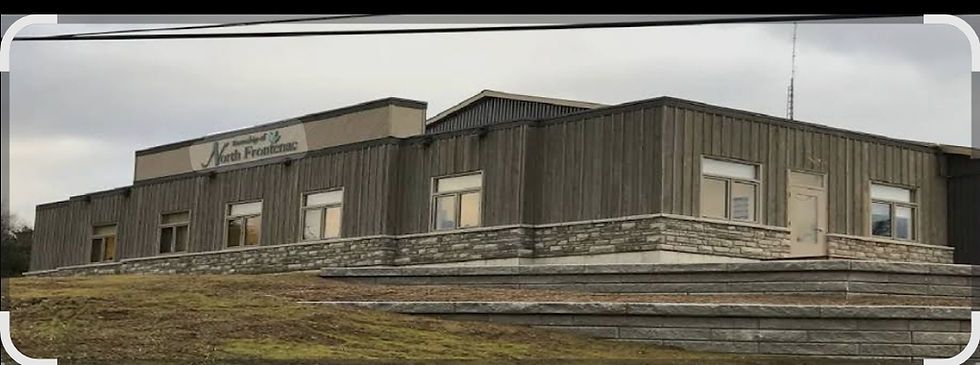
Contact Your Municipal Councillor: Share Your Concerns

In a world where local governance plays a crucial role in shaping our communities, it's essential for residents to engage with their municipal councillors. Whether you have concerns about public safety, infrastructure, or community programs, your councillor is your direct link to the decision-making process. This blog post will guide you through the importance of contacting your municipal councillor, how to effectively communicate your concerns, and the potential impact of your engagement.

Understanding the Role of Your Municipal Councillor
Municipal councillors are elected representatives responsible for making decisions that affect your community. They serve as a bridge between the residents and the local government, advocating for the needs and interests of their constituents. Here are some key responsibilities of municipal councillors:
Legislation: Councillors participate in creating and amending local laws and policies.
Budgeting: They help allocate funds for community projects, services, and infrastructure.
Community Engagement: Councillors often hold meetings and forums to gather input from residents.
Advocacy: They represent the interests of their constituents in discussions with other levels of government.
Understanding these roles can empower you to approach your councillor with informed concerns and suggestions.
Why You Should Contact Your Councillor
Engaging with your municipal councillor is vital for several reasons:
Influence Local Decisions: Your councillor has a say in policies that directly affect your daily life. By voicing your concerns, you can influence decisions that matter to you and your community.
Access to Resources: Councillors can connect you with resources and services that may help address your concerns, whether it’s community programs, safety initiatives, or infrastructure improvements.
Build Community Relationships: Engaging with your councillor fosters a sense of community. It shows that you care about local issues and are willing to participate in the democratic process.
Accountability: Holding your councillor accountable for their actions and decisions is essential for a healthy democracy. Regular communication ensures they remain aware of the community's needs.
How to Effectively Communicate Your Concerns
When reaching out to your municipal councillor, it's important to communicate your concerns clearly and effectively. Here are some steps to consider:
1. Identify Your Concern
Before contacting your councillor, take time to clearly define your concern. Is it related to public safety, road maintenance, or community programs? Being specific will help your councillor understand the issue better.
2. Gather Supporting Information
Collect relevant data or examples that support your concern. This could include statistics, personal experiences, or information from community meetings. The more evidence you provide, the stronger your case will be.
3. Choose Your Communication Method
You can contact your councillor through various methods:
Email: A well-crafted email can be an effective way to present your concerns. Be concise and to the point.
Phone Call: A phone call allows for a more personal connection and immediate feedback.
In-Person Meeting: If possible, request a meeting to discuss your concerns face-to-face. This can be particularly effective for complex issues.
4. Be Respectful and Constructive
When communicating, maintain a respectful tone. Focus on the issue rather than personal attacks. Offer constructive suggestions or solutions to demonstrate your willingness to collaborate.
5. Follow Up
After your initial contact, follow up to see if there has been any progress on your concern. This shows your commitment to the issue and keeps it on your councillor's radar.
Examples of Common Concerns to Address
Here are some common issues that residents often raise with their municipal councillors:
Public Safety: Concerns about crime rates, street lighting, or emergency services can significantly impact community well-being.
Infrastructure: Issues like potholes, road repairs, and public transportation can affect daily commutes and overall quality of life.
Community Programs: Advocating for recreational facilities, youth programs, or senior services can enhance community engagement and support.
Environmental Issues: Concerns about waste management, green spaces, and sustainability initiatives are increasingly relevant in today’s society.
The Impact of Your Engagement
When residents actively engage with their municipal councillors, it can lead to meaningful change. Here are a few examples of how community engagement has made a difference:
Improved Public Safety: After residents raised concerns about crime in a neighborhood, the councillor organized community safety meetings and increased police presence, resulting in a decrease in crime rates.
Infrastructure Upgrades: A group of residents advocated for better road maintenance, leading to a successful campaign for funding that resulted in improved roads and sidewalks.
New Community Programs: By voicing their needs, residents successfully lobbied for the establishment of a new community center that offers programs for youth and seniors.
These examples illustrate that your voice matters and can lead to tangible improvements in your community.
Engaging with Local Government Beyond Your Councillor
While your municipal councillor is a key point of contact, there are other ways to engage with local government:
Attend Council Meetings: Participating in council meetings allows you to stay informed about local issues and decisions.
Join Community Boards or Committees: Many municipalities have boards or committees focused on specific issues. Joining one can provide a platform to advocate for your concerns.
Participate in Public Consultations: Local governments often hold consultations on various topics. Your participation can help shape policies and initiatives.
Conclusion
Contacting your municipal councillor is a powerful way to share your concerns and influence local governance. By understanding their role, effectively communicating your issues, and actively engaging with the community, you can make a difference in your neighborhood. Remember, your voice matters, and your councillor is there to listen and advocate for your needs. So, take the first step today—reach out and share your concerns. Your community will thank you for it.

Comments